Kingston council rules for memorial flowers at local cemeteries
Posted on 26/10/2026
If you are placing flowers for a loved one in Kingston, it's easy to assume a small bouquet is always fine. In practice, cemetery rules can be a bit more specific than people expect. The Kingston council rules for memorial flowers at local cemeteries are there to keep graves tidy, safe, and respectful for everyone visiting. That means flower type, placement, container choice, and timing can all matter.
This guide explains the practical side of it all in plain English. You'll find what the rules are trying to achieve, how they usually work at local cemeteries, what to do before you arrange flowers, and how to avoid the little mistakes that cause trouble later. If you want a respectful tribute that lasts, without creating extra stress, you're in the right place.
One thing people often forget: memorial flowers are not just decorative. They can become a shared responsibility between the family and the cemetery. That's why a simple check now can save a lot of awkwardness later.
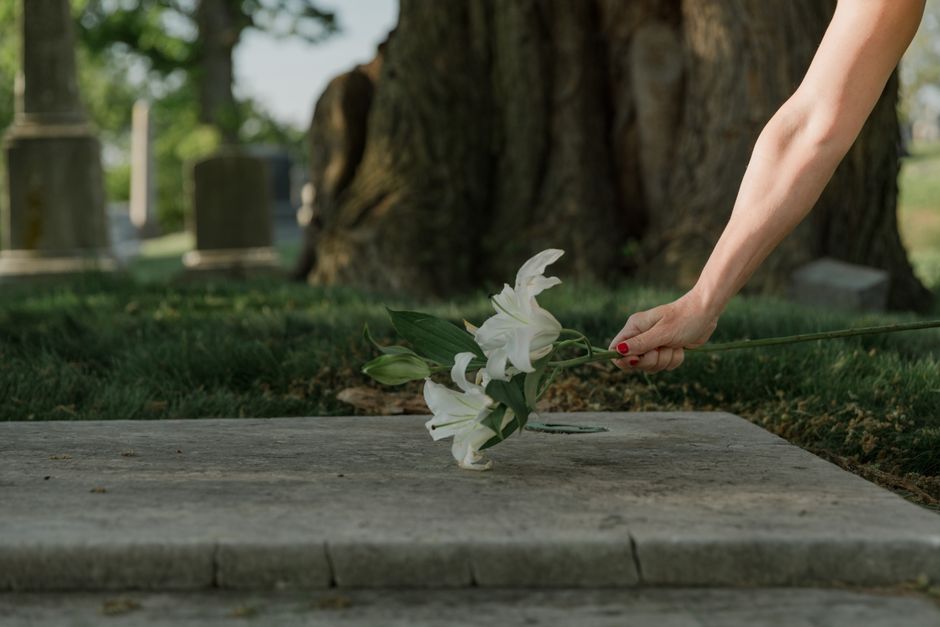
Why Kingston council rules for memorial flowers at local cemeteries Matters
Memorial flowers may seem like a small thing, but in a cemetery they sit inside a bigger system of grounds care, family access, and public respect. Kingston council rules for memorial flowers at local cemeteries matter because they help prevent blocked pathways, damaged plots, clutter around memorials, and confusion over who is responsible for what.
In a busy cemetery, even a beautiful arrangement can become a problem if it is placed where mowing, edging, or general maintenance has to happen. A wind-blown vase, broken plastic container, or wilted bouquet left for too long can turn into mess very quickly. To be fair, that's not what anyone intends. It just happens when there isn't a clear standard.
The rules also protect the dignity of the site. Cemeteries are shared places, and visitors arrive with very different needs. Some are grieving. Some are tending graves months or years after a burial. Some are there for a quick, quiet moment on a grey afternoon when the drizzle has just stopped and the stone paths are still damp. Clear rules make that environment calmer and more predictable.
For families, the main benefit is simple: you know what will stay in place and what may be removed. That reduces the worry of returning to find flowers moved, tidied, or taken away. It also helps if several relatives are involved, because honestly, different family members often have different ideas about "a nice tribute." The rules create a common baseline.
Practical takeaway: if a cemetery looks neat and easy to maintain, it's usually because there are straightforward expectations about what can be left there and for how long. Respectful flowers are welcome; unmanaged clutter usually is not.
How Kingston council rules for memorial flowers at local cemeteries Works
The exact approach can vary between cemeteries, but the core idea is usually the same: flowers should be placed in a way that is safe, tidy, and manageable for grounds staff. If you are using Kingston council rules for memorial flowers at local cemeteries as your guide, think in terms of permission, placement, and upkeep.
Usually, the cemetery will expect memorial flowers to stay within the grave space or in a clearly permitted area. That may mean a vase, a fixed holder, or a designated spot on or near the plot. Large arrangements, loose stems, or items spread around the grave may not be appropriate. Sometimes artificial flowers are allowed only in certain periods or with conditions attached. And yes, small details matter more than people think.
There is also the question of maintenance. Flowers that are fresh and tidy at placement can become problematic after a week or two, especially in warm weather. You'll notice this most clearly during summer. The bouquet starts gracefully enough, then the stems lean, petals drop, and suddenly you've got something that looks less like a tribute and more like Tuesday's leftovers. Harsh, but true.
In practical terms, the process often works like this:
- You check what the cemetery allows for flowers and memorial items.
- You choose an arrangement that fits the space and is easy to secure.
- You place it in the approved area without obstructing access or maintenance.
- You remove or refresh it when it begins to fade, unless the cemetery manages that for you.
For a bereaved family, that may sound like a lot. It isn't, once you know the rhythm of it. A small, well-chosen tribute is usually much easier to live with than a large display that needs constant attention.
Key Benefits and Practical Advantages
Following the rules is not only about avoiding trouble. Done well, it actually makes memorial flowers more meaningful. A clear framework helps you choose flowers with confidence, keep the grave looking cared for, and avoid unnecessary rework.
- Respectful presentation: the tribute looks intentional, not improvised.
- Less maintenance stress: arrangements that suit the cemetery are easier to manage over time.
- Better safety: fewer trip hazards, fewer loose items, and less chance of damage from wind or foot traffic.
- Cleaner appearance: graves and surrounding areas remain easier for everyone to visit and appreciate.
- Fewer disputes: if several family members are involved, a shared standard reduces friction.
There's also a subtle emotional benefit that people don't always mention. When the flowers fit the setting, the tribute feels calmer. Not showy. Not forced. Just right. A white or soft-toned arrangement in the right vase can say more than something oversized and awkwardly tied down with ribbon. A bit of restraint often goes a long way.
If you are choosing flowers for a memorial visit, it can also help to think about the message behind the arrangement. White flowers often feel peaceful and traditional. Pink can feel gentle and loving. Purple may suggest dignity or remembrance. Mixed colours can feel bright and life-affirming. None of that is fixed, of course, but it helps when the tribute is meant to reflect a personality rather than just fill a space.
Who This Is For and When It Makes Sense
This guidance is useful for anyone who wants to place flowers at a cemetery in Kingston without second-guessing themselves every step of the way. That includes family members, friends, funeral arrangers, and anyone visiting a grave on a regular basis.
It makes particular sense if you are:
- visiting a grave for the first time and don't know the local expectations yet
- planning flowers for a funeral, burial, or anniversary remembrance
- choosing between fresh flowers and artificial memorial flowers
- managing a grave from a distance and want something low-maintenance
- sharing responsibility with other family members
- trying to keep a plot neat without overdoing it
It is also useful if you are arranging a tribute for a specific date, such as a birthday, Mother's Day, Father's Day, or the anniversary of a passing. Those moments can carry a lot of emotion, and let's face it, the last thing anyone wants is a rushed decision at the gate because they didn't know what was allowed.
If you need flowers for a remembrance visit, a respectful selection from sympathy flowers or a more formal option like funeral flowers can be a sensible starting point. For people who want something specifically suited to a grave or memorial, tributes and wreaths are often the most relevant styles.
Step-by-Step Guidance
Here's a practical way to handle memorial flowers without overcomplicating it.
1. Check the cemetery's current expectations
Start by confirming whether the cemetery has rules on size, placement, materials, and timing. Even small local variations matter. One cemetery may allow certain arrangements on the grave itself, while another may expect flowers to stay in a specific vase area. Don't assume the same approach applies everywhere.
2. Decide whether the tribute needs to be fresh or long-lasting
If you will visit often, fresh flowers may be the most personal choice. If you live farther away or cannot return soon, a longer-lasting arrangement may be more practical. Artificial flowers, where permitted, can be useful for this reason. Fresh flowers feel more natural and fragrant; artificial ones are low-maintenance, but they still need to look tidy. Balance matters.
3. Choose a suitable style
For graves and memorials, simple designs often work best. Posies, sheaves, sprays, small arrangements, and wreaths are common because they sit neatly and are less likely to be disturbed by the wind. Larger displays can be beautiful, but they can also be awkward in a cemetery setting.
4. Pick colours with care
There's no single correct colour. Still, in memorial settings, soft whites, creams, lilacs, pinks, and muted mixed tones are often chosen because they feel calm and respectful. Strong reds can be deeply meaningful too, especially if they reflect the relationship. Use what feels sincere rather than what looks fashionable.
5. Secure the flowers properly
If the arrangement needs a vase, container, or holder, make sure it is stable and appropriate for the site. Loose glass, unstable plastic, or anything likely to blow over is asking for trouble. A little common sense really helps here.
6. Plan how you will maintain them
Fresh flowers fade, sometimes sooner than expected. If the tribute is important, build in a reminder to refresh or remove it. This is one of those tiny tasks that gets forgotten until a month later, and by then the whole display has gone soft at the edges.
7. Keep the space tidy over time
Remove damaged packaging, fallen petals, broken stems, and any worn items that no longer look respectful. A grave does not need to be full to feel loved. Sometimes the tidiest plots are the most moving ones.
Expert Tips for Better Results
In our experience, the best memorial flower choices are the ones that look calm on day one and still look acceptable a week later. That sounds obvious, but it is the bit people miss when they are buying in a hurry.
- Choose compact arrangements: neat designs are easier to place and less likely to be knocked.
- Use seasonal flowers where possible: they tend to hold up better and feel more natural.
- Match the occasion: an anniversary tribute may call for something different from a funeral arrangement.
- Think about weather: wind, rain, and heat all affect how long flowers last in a cemetery.
- Keep packaging minimal: presentation should feel deliberate, not like the flowers are still waiting for the driver.
If the memorial is for a parent or grandparent, people often prefer classic forms such as wreaths, cushions, or sheaves. If it is for someone younger, a more personalised tribute may feel right. There's no rule that says remembrance must look solemn in the same way for every person. It just needs to be thoughtful.
For regularly refreshed tributes, you may also want to look at options with a simple shape and sturdy stems, such as a compassionate wreath, a cushion tribute, or a modest sympathy posy. These styles usually sit well in cemetery settings and are easier to keep presentable.
A small practical note: if several people are likely to visit the grave, choose one arrangement style and stick with it. Mixed messages are common. One relative brings roses, another brings a bright basket, and suddenly the plot looks like three different conversations happening at once. Not the worst thing in the world, but not always ideal either.
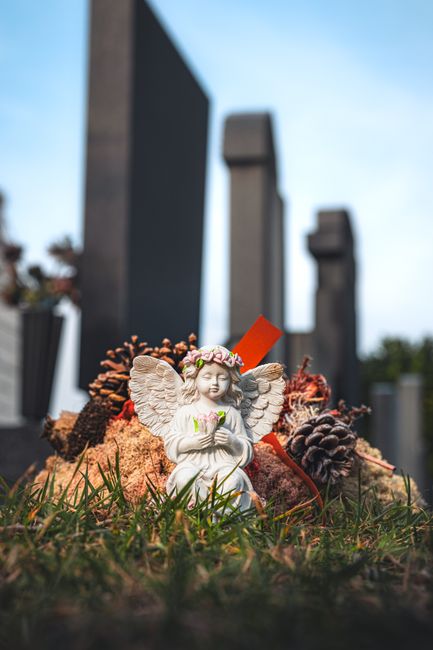
Common Mistakes to Avoid
Most issues around memorial flowers are not dramatic. They are just preventable. That's the good news.
- Leaving flowers too long: faded arrangements can quickly look neglected.
- Using unstable containers: anything light or top-heavy may fall over.
- Overfilling the grave space: too much can block access and make maintenance harder.
- Assuming all cemeteries have the same rules: they often do not.
- Choosing a style that is too large for the plot: what looks elegant in a shop may look crowded on site.
- Forgetting seasonal conditions: what survives in spring may struggle in hot weather.
Another common mistake is choosing flowers purely because they are available that day, rather than because they suit the memorial space. A florist can help with that, but the final decision should still be practical. A big statement bouquet may be lovely for a house or service, yet not ideal for a cemetery where space is tighter and upkeep matters.
You should also be cautious about assuming artificial flowers are automatically acceptable. Some sites are more flexible than others, and materials can matter. If in doubt, ask before you buy. It sounds simple because it is.
Tools, Resources and Recommendations
You do not need much equipment to manage memorial flowers well, but a few small things make life easier.
- Flower scissors or clean secateurs: useful for trimming stems before placement.
- A stable vase or container: choose something that suits the grave space and weather conditions.
- Water transport container: handy if you are arranging fresh flowers on arrival.
- Soft cloth or tissue: helps remove debris from petals or container edges.
- A phone reminder: simple, but surprisingly effective for refresh or removal dates.
When choosing flowers, a local florist can be useful because they tend to understand what works in day-to-day British weather and what is likely to look good beyond the first hour. For people staying local, browsing a Kingston florist or checking flower shops in Kingston KT1 can help you compare styles and pick something appropriate without rushing.
If time is tight, delivery matters too. Some families prefer arranging flowers in advance, especially before a memorial date or when travelling to the cemetery from elsewhere. In those cases, flower delivery in Kingston KT1 and same-day flower delivery in Kingston KT1 can be useful options, depending on availability. For less urgent plans, next-day flower delivery in Kingston KT1 may be the easier route.
If you are choosing by flower type, it can help to keep things simple: white flowers for a traditional memorial feel, purple flowers for dignity and reflection, or mixed colours for a brighter personal tribute. Again, the right choice is the one that feels sincere and fits the cemetery setting.
Law, Compliance, Standards, or Best Practice
When talking about cemetery flowers, it helps to separate formal rules from general best practice. The formal rules are whatever the cemetery operator sets for its grounds. Best practice is the practical behaviour that keeps the site respectful, safe, and easy to manage.
In the UK, cemetery management generally focuses on public safety, reasonable upkeep, and respectful use of the grounds. That usually means flowers should not obstruct paths, create hazards, or interfere with maintenance. The cemetery operator may also have policies around items left at graves, the use of glass, container types, and the removal of dying arrangements. Because these expectations can differ, it is wise to confirm the local position rather than rely on memory or what was allowed at another cemetery.
There is also an ethical side to all this. A cemetery is not just a private family space. It is a shared place visited by many people, often with some fragility in the air. The sound of footsteps on gravel, the quiet shuffle of visitors, the occasional rustle of leaves-those little things shape how the space feels. Good practice preserves that feeling.
So, if you are unsure, ask three questions before placing flowers:
- Is this arrangement allowed here?
- Will it stay tidy for a reasonable amount of time?
- Could it block access or create maintenance problems?
If the answer to any of those is no, adjust the tribute. No one ever regretted making a memorial tribute simpler and more respectful.
Options, Methods, or Comparison Table
Choosing between memorial flower options often comes down to how long you want them to last, how formal they should look, and how much attention they need. Here's a straightforward comparison.
| Option | Best for | Pros | Things to watch |
|---|---|---|---|
| Fresh flowers | Visits, anniversaries, personal tributes | Natural, fragrant, heartfelt | Fade quickly, need replacement |
| Artificial flowers | Longer display periods, infrequent visits | Low-maintenance, durable | May not suit every cemetery rule |
| Wreaths | Formal memorials, ceremonies, graveside remembrance | Structured, traditional, visually balanced | Can be too large if the space is tight |
| Posies and small bouquets | Simple, regular grave visits | Neat, easy to place, easy to refresh | Less dramatic if you want a bigger statement |
| Sprays and sheaves | Funeral tributes and commemorative placement | Elegant, respectful, often versatile | Need the right size and support |
In many situations, a smaller arrangement is the smarter choice. It may not photograph as dramatically, but it usually sits better in the grave space and ages more gracefully. A modest tribute that still looks cared for is often more moving than something large that starts to sag by the weekend.
Case Study or Real-World Example
A family in Kingston wanted to place flowers for a grandmother's grave ahead of a Sunday visit. They had three ideas: a large hand-tied bouquet, a wreath, or a compact white arrangement in a sturdy holder. At first, the bouquet felt like the most loving option because it looked fuller. But once they considered the cemetery setting, the smaller arrangement made more sense.
They chose a simple white design with a few soft green accents. It sat neatly within the plot area, did not lean into the path, and could be refreshed easily on future visits. A relative who visited every fortnight appreciated that it still looked presentable after several days, even after a bit of rain. Not perfect, but good enough to feel respectful.
The key lesson was that the best memorial choice was not the biggest one. It was the one that suited the place, the weather, and the family's ability to maintain it. That's the kind of decision people rarely regret.
Practical Checklist
Use this quick checklist before placing memorial flowers at a Kingston cemetery.
- Check the cemetery's current flower rules.
- Confirm whether fresh or artificial flowers are allowed.
- Choose a size that fits the grave space.
- Use a stable vase or holder if needed.
- Keep packaging minimal and tidy.
- Pick colours and styles that suit the occasion.
- Make sure the arrangement will not block paths or maintenance access.
- Set a reminder to refresh or remove fading flowers.
- Remove damaged stems, fallen petals, or worn items.
- Ask for guidance if you are unsure about a specific tribute.
If you tick those boxes, you are usually in a very good place. Simple, but effective.
Conclusion
The Kingston council rules for memorial flowers at local cemeteries are really about balance: respect for the person remembered, care for the shared space, and practical choices that keep the grave looking dignified. Once you understand the basics, the process becomes much easier. You can choose flowers with confidence, keep them tidy, and avoid the little headaches that come from guessing.
In the end, a memorial tribute does not have to be elaborate to be meaningful. Often the most moving flowers are the ones that feel considered, calm, and well kept. That small act of care says quite a lot, really.
Get a free quote today and see how much you can save.
If you are planning a memorial tribute and want something appropriate for the cemetery setting, take a moment to compare styles, colours, and delivery timing before you decide. A thoughtful choice now tends to feel better every time you visit later.
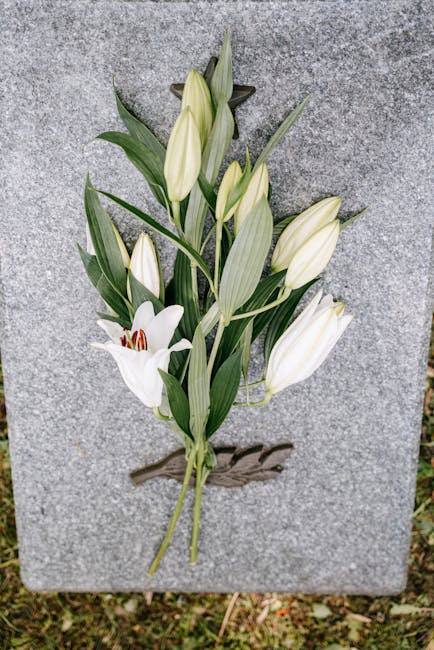
Frequently Asked Questions
What are the Kingston council rules for memorial flowers at local cemeteries?
They generally set out what types of flowers or tributes are allowed, where they can be placed, and how long they may stay before they need to be refreshed or removed. The main idea is to keep the cemetery safe, tidy, and respectful.
Can I leave fresh flowers on a grave in Kingston cemeteries?
Fresh flowers are often the most common choice, but they should be placed in a way that suits the cemetery's local expectations. A stable container and a neat arrangement usually work best.
Are artificial flowers allowed at local cemeteries?
Sometimes yes, sometimes with conditions. It depends on the cemetery's rules, so it is worth checking first rather than assuming. Artificial flowers are often chosen for convenience, but they still need to look tidy.
How long can memorial flowers stay on a grave?
That depends on the site and on how well the flowers hold up. Fresh arrangements may need attention sooner, while longer-lasting tributes can remain in place for longer if they are still presentable. Cemetery staff may remove items that become untidy.
What is the best type of flower arrangement for a cemetery grave?
Compact arrangements such as posies, sprays, small bouquets, and wreaths are often practical because they are neat and easy to manage. The best choice is usually one that fits the plot and the weather conditions.
Should I choose fresh or artificial memorial flowers?
Fresh flowers feel natural and personal, while artificial flowers are lower-maintenance. If you visit regularly, fresh may be ideal. If you need something longer lasting, artificial may be more practical where allowed.
Can I put flowers directly on the grave soil?
Some cemeteries allow this in certain situations, while others prefer vases or designated holders. It is safer to check the local rules before placing anything directly on the grave surface.
What colours are most suitable for memorial flowers?
White, cream, lilac, pink, and muted mixed colours are often chosen because they feel calm and respectful. That said, the most suitable colour is the one that reflects the person and the family's wishes.
What should I avoid when leaving flowers at a cemetery?
Avoid oversized arrangements, unstable containers, damaged packaging, and anything likely to block access or become untidy quickly. A good memorial tribute should be easy to maintain and respectful to other visitors.
Do I need permission to place flowers at a grave in Kingston?
Usually you do not need special permission for ordinary memorial flowers, but you do need to follow the cemetery's rules. If you want to place something unusual or larger than normal, it is sensible to ask first.
How do I keep memorial flowers looking tidy for longer?
Choose sturdy stems, avoid overpacking the arrangement, use a secure vase or holder, and remove fading material promptly. In warmer weather, plan for quicker refreshes because flowers can deteriorate faster than expected.
Where can I find flowers suitable for memorial use in Kingston KT1?
Look for styles designed for sympathy, tributes, wreaths, or funerals, since these are usually the most appropriate for cemetery settings. A local florist can help you pick something that feels respectful and practical for the space.


